Take Turns
45 games · 1/2
Not every two-person game needs two sets of keys. This section is for games with a single cursor, a single board or a single turn, where two people swap into the same seat. We accept word games, card games where you remember positions, jigsaws played in turns, board-style thinking games and quiz rounds. We reject action games that need reflexes, games with a countdown that keeps running while the other person is thinking, and anything that makes the person off-turn press a key to keep the screen awake. Turns go like this: the person on the left starts odd rounds, the person on the right starts even rounds, and whoever is waiting holds the pen and keeps the score on paper. That split gives the waiting player a job, because a player with nothing to do usually breaks the rules by calling out answers. The one key worth agreeing on is R, which restarts the board: whoever just lost presses it, and only after both people have seen the result. This is also the right section when there is only one mouse in the house, or when the second chair sits well off to one side of the desk.
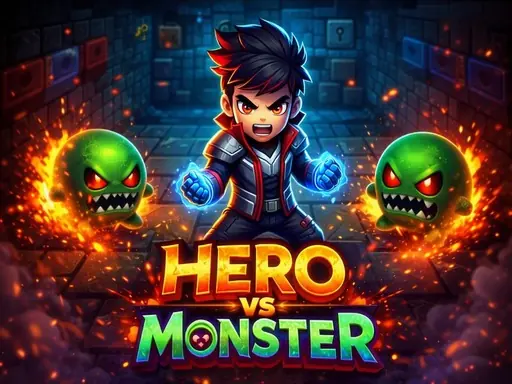 Heros vs MonsterTake Turns
 Gaint Run Color SwitchTake Turns
 The Sorting MartTake Turns
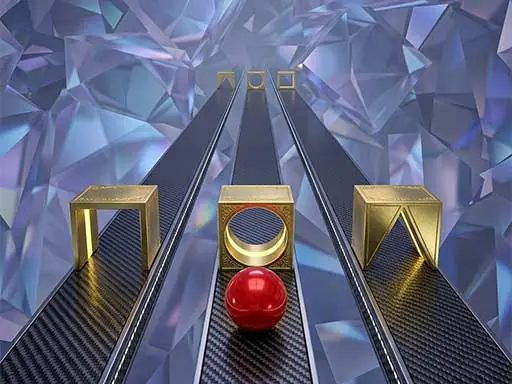 Shape SwitchTake Turns
 World Flag QuizTake Turns
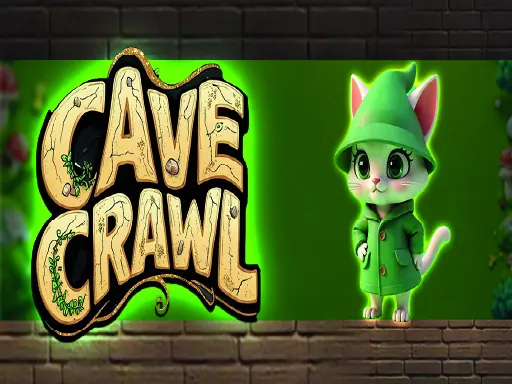 Cave CrawlTake Turns
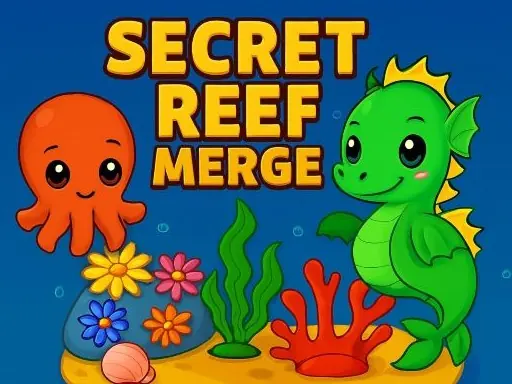 Secret Reef MergeTake Turns
 Memory LaneTake Turns
 Rolly Vortex Puzzle GameTake Turns
 Meow Block Color CollectTake Turns
 Tiles LayerTake Turns
 Shuffle SageTake Turns
 Spider MatchTake Turns
 Qolor Quiz GameTake Turns
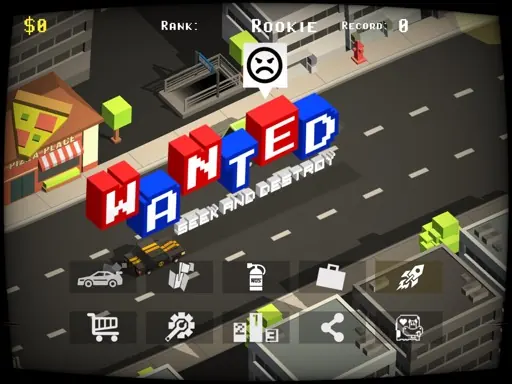 WANTEDTake Turns
 Bubble Pet GameTake Turns
 Squid Game Memory Card MatchTake Turns
 WinterWonder Symbol MergeTake Turns
 Cats and CandiesTake Turns
 Block Jam Match GameTake Turns
 Maths Quiz with Negative NumbersTake Turns
 Additive Fun 2048Take Turns
 Crescent SolitaireTake Turns
 Sudoku VaultTake Turns
How Take Turns plays in the browser
We accept word games, card games where you remember positions, jigsaws played in turns, board-style thinking games and quiz rounds. We reject action games that need reflexes, games with a countdown that keeps running while the other person is thinking, and anything that makes the person off-turn press a key to keep the screen awake. Turns go like this: the person on the left starts odd rounds, the person on the right starts even rounds, and whoever is waiting holds the pen and keeps the score on paper. That split gives the waiting player a job, because a player with nothing to do usually breaks the rules by calling out answers. The one key worth agreeing on is R, which restarts the board: whoever just lost presses it, and only after both people have seen the result. This is also the right section when there is only one mouse in the house, or when the second chair sits well off to one side of the desk.
All 45 games in this section run inside the tab: no install, no account, no download. Tap a title and the game opens on this same page.
- One tab, one game. Close the tab and the session is over.
- Finger controls or keyboard, depending on the title.
- Scores stay in this browser, so there is no account to maintain.
Three titles to open first
Picked from the 45 titles in this section.
- Heros vs MonsterHeros vs Monster is a browser Take Turns game you can start in…
- Gaint Run Color SwitchOpen Gaint Run Color Switch and you are already playing — no…
- The Sorting MartThe Sorting Mart is one of the easier Take Turns games to get…
An older phone is enough
If the screen feels cramped, rotate to landscape or hit the fullscreen button inside the game. Most titles rearrange their controls to the screen size.
Questions players actually ask
Why is a pass-and-play game more fun than online?
Because the waiting is part of it. Watching your opponent take a turn is where the tension lives, and it is the one thing an online match cannot reproduce. Design the session around the waiting, not around the turns.
How do we keep a turn-based session from stalling?
Agree a time limit per turn before the first round. Most stalling in pass-and-play is one player overthinking a decision that does not matter. Thirty seconds per turn is generous for almost every game in this section.
Why does the first player always win?
Because most turn-based games have a first-move advantage, and it is larger than players expect. Play two rounds and swap who starts. A single round is not a fair test of anything.
What do we do about hidden information on a shared screen?
Pass the device rather than the screen. A shared screen with hidden cards is the one format that genuinely breaks, and no amount of looking away fixes it. If the game has a pass screen, use it every turn.
Why do memory games feel harder with two players?
Because you are tracking two sets of intentions, not one. That is the appeal, but it also doubles the load. Agree who tracks what: one player remembers positions, the other tracks the score.
Should we play to win or to keep it close?
Play to win, in a short session; keep it close in a long one. A match that ends in a rout ends the evening. If you are clearly ahead, take a harder role in the next round rather than easing off mid-game.
Why does the game slow down in the last few turns?
Because every remaining move matters, and deliberation is correct at that point. Do not fight it. Budget more time for the endgame and less for the opening, which is the opposite of how most players spend it.
How many rounds should a pass-and-play session have?
Three, with the starting player rotating. Three rounds is enough for the luck to even out and short enough that nobody is bored. More than five and the session becomes a tournament.
Why do I lose track of the score in a turn-based game?
Because scoring is usually displayed per round and summed mentally, and mental summation fails after three rounds. Write it down. A scrap of paper is the most useful accessory in pass-and-play.
What makes a good turn-based game for two?
Short turns and a readable board. Anything with long turns turns the waiting into a chore, and anything with a cluttered board turns it into an argument. Short and clear beats deep and dense for two players.
Player notes
The waiting is the game. Watching your opponent think is the tension an online match cannot reproduce.
Player note, pass-and-play regular
Write the score down. Mental addition fails after three rounds and then you argue about the score.
Player note, board-game player
Rotate who starts. First-move advantage is bigger than anyone expects and one round proves nothing.
Player note, plays turn-based games with a partner
Quoted and condensed from public player discussions; names shortened.
Common questions
- Do I need an account to play?
- No. All 45 games in this section play without registration: no email, no password, no verification step.
- How long does one session take?
- Most titles finish in three to ten minutes, which fits a break without leaving anything half-done.
- Is my score saved?
- Your best score stays in this browser as long as site data is not cleared. No account also means no sync across devices.
Further reading
- Splitting one keyboard between two
- The second player presses and nothing happens
- Three keys at once on a laptop